In a world increasingly guided by shared priorities, the United Nations introduced the Sustainable Development Goals (SDGs) as a universal call to action — to end poverty, protect the planet, and ensure that all people enjoy peace and prosperity by 2030. While these goals may seem like the responsibility of governments and global institutions, the truth is more profound: real change happens at the community level.
SDG 3: Good Health and Well-Being
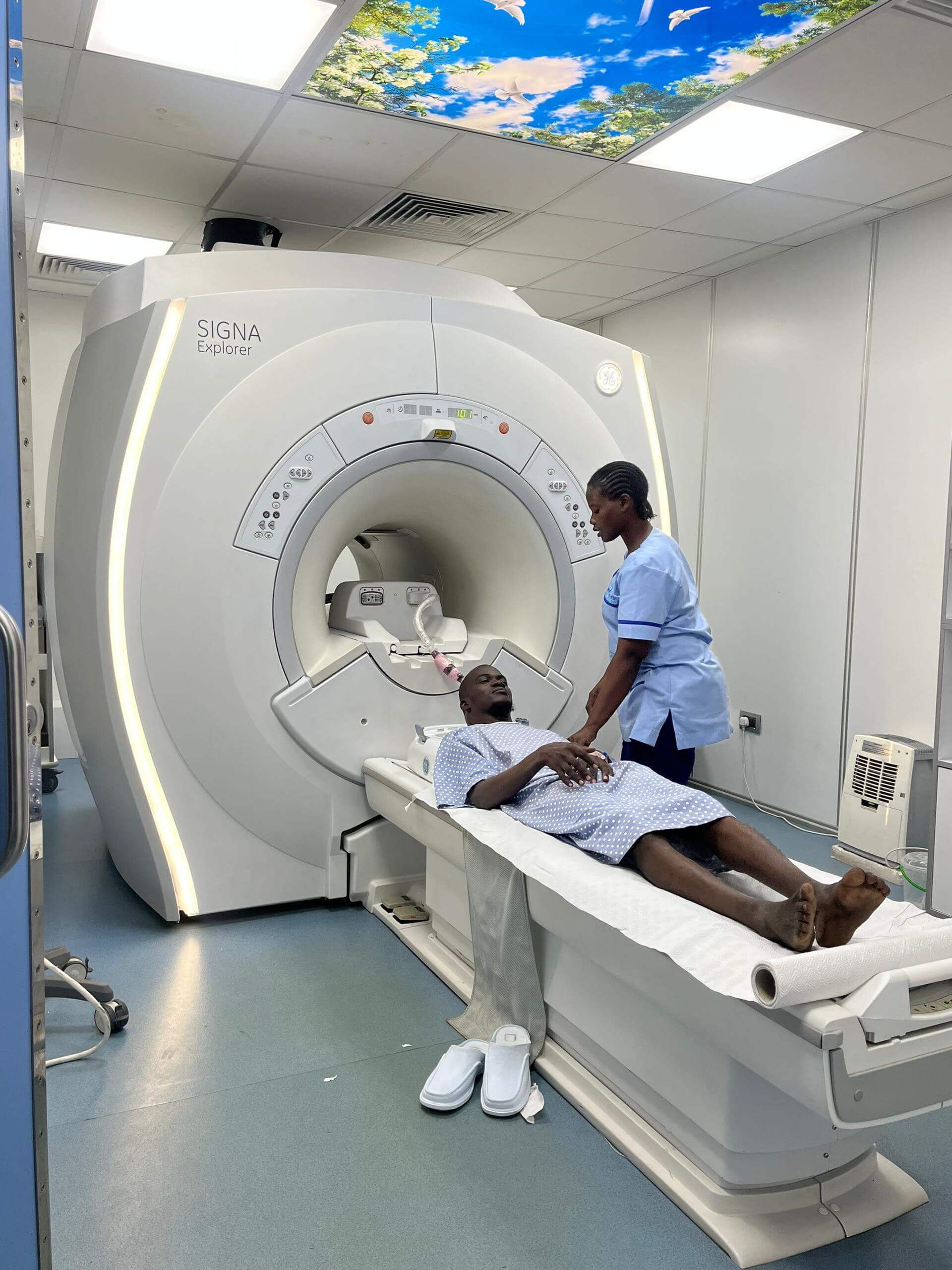
This is perhaps the most direct alignment. Nigeria continues to face challenges in healthcare access, mental health awareness, and life expectancy. Anike Depression Care Foundation addresses these gaps by providing mental health support, promoting preventive healthcare practices, and facilitating access to affordable health coverage through community-based initiatives.
SDG 1: No Poverty
Poverty is not only about income — it is also about vulnerability. A single health crisis can push a family into financial ruin. By helping individuals access affordable healthcare and emergency support, the Foundation reduces catastrophic health expenditures and prevents downward economic spirals.
SDG 10: Reduced Inequalities
In a society where support systems are often tied to religious or social identity, many people fall through the cracks. The Foundation's inclusive, non-discriminatory approach ensures that support is accessible regardless of belief system, and that marginalized individuals receive care without stigma.
SDG 17: Partnerships for the Goals
No organization can do it alone. The Foundation's model — engaging communities, healthcare providers, and supporters — reflects the spirit of collaboration that SDG 17 promotes. Partnerships with youth organizations, healthcare providers, HMOs, and private sector contributors create a multiplier effect that expands impact.
Conclusion: A Call to Participate, Not Just Observe
The work of Anike Depression Care Foundation is a reminder that the SDGs are not abstract global ambitions — they are lived realities, shaped by local action. Every life supported, every mind restored, every dignity preserved is a step toward achieving these goals. The real question is: How can more of us join in?