Across many communities in Nigeria, illness does not only threaten life—it often threatens the entire survival of a family. When treatment becomes too expensive or arrives too late, the consequences ripple far beyond the hospital walls. This harsh reality is known as medical poverty—a situation where the cost of healthcare pushes families into deep financial and social crisis.
When Illness Breaks a Family
Consider the story of Aisha. She and her husband lived an ordinary life. He was a modest breadwinner, working hard to provide food, school fees, and rent for their children. Their dreams were simple but meaningful—raise their children well and live with dignity.
Then illness struck. Hospital visits grew frequent. Medical tests were requested. Medicines became more expensive. Soon, the family's savings disappeared. Doctors recommended further treatment, but the cost was overwhelming. Friends tried to help. Relatives made small contributions. Yet it was not enough.
After months of struggle, Aisha's husband passed away. With his death, the family lost not only a loved one—but the pillar that held their world together.
The Quiet Collapse
Grief can take many forms. For Aisha, the shock was too much to bear. The pain of watching her husband suffer, the helplessness of not being able to afford every treatment he needed, and the sudden burden of raising children alone became overwhelming. Slowly, her mental health began to deteriorate.
Without support or proper care, she drifted onto the streets. A woman who once had a home, a family, and dignity now lived as a pauper, roaming the streets with a broken mind.
A Story That Is Not Unique
Sadly, Aisha's story is not an isolated case. Across Nigeria, medical poverty has quietly destroyed many households. When the breadwinner falls ill and treatment becomes unaffordable, families are forced to sell assets, withdraw children from school, and borrow heavily. Medical poverty does not only take lives—it destroys the stability of families and communities.
Why This Matters to Us
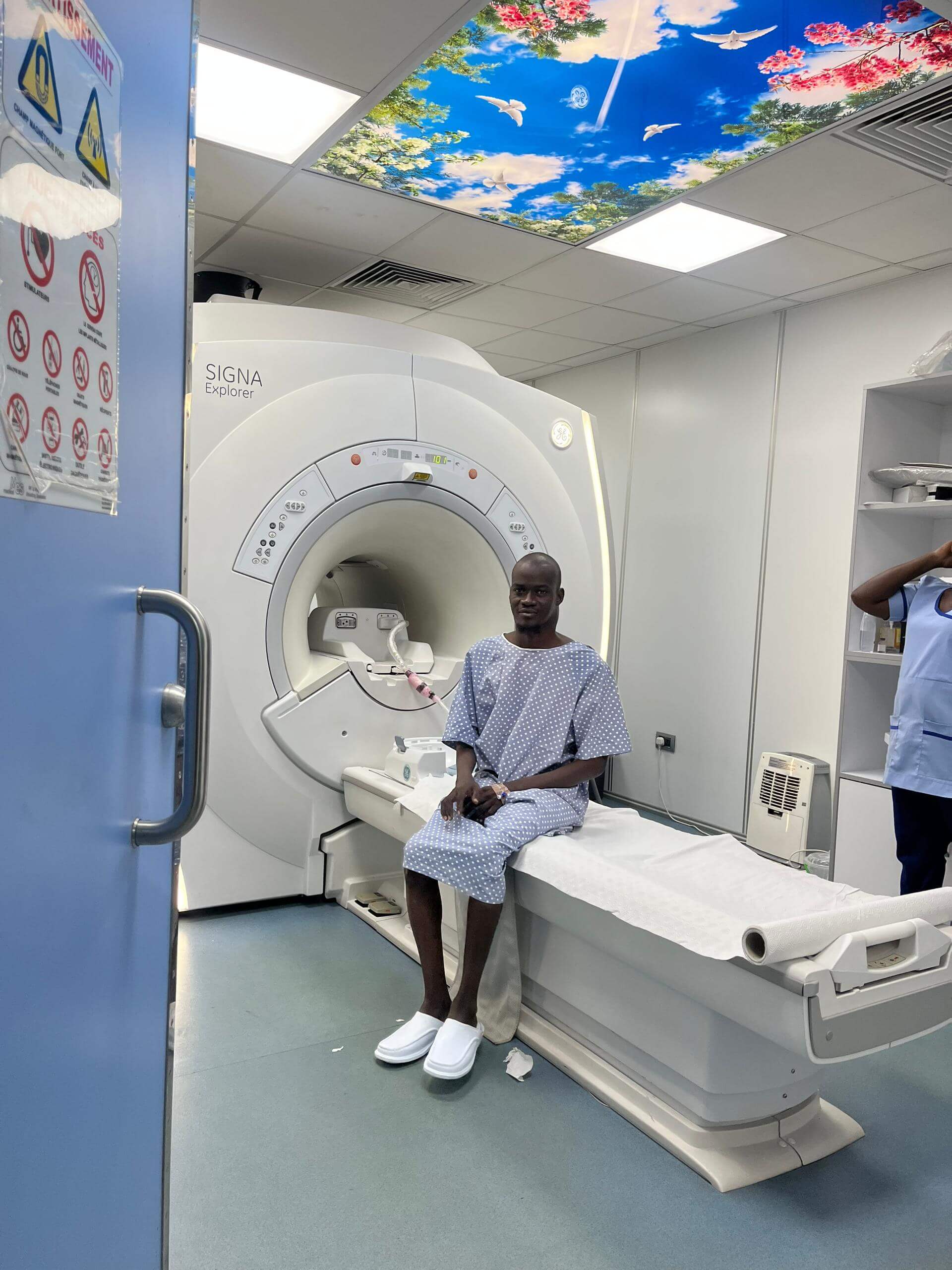
Stories like Aisha's remind us that healthcare is not just about medicine. It is about protecting families from collapse. When healthcare systems lack adequate equipment, when diagnostic tests are too expensive, and when treatment costs are beyond the reach of ordinary citizens, families face impossible choices.
A Vision of Hope
But these stories do not have to end this way. When communities come together to strengthen healthcare systems and make treatment more affordable, we prevent these heartbreaking outcomes. This is the vision behind the HealthShield Insurance Club. By pooling resources and helping finance essential medical equipment, every piece of equipment purchased, every life saved, and every family protected brings us closer to a society where fewer people suffer the fate that befell Aisha.